
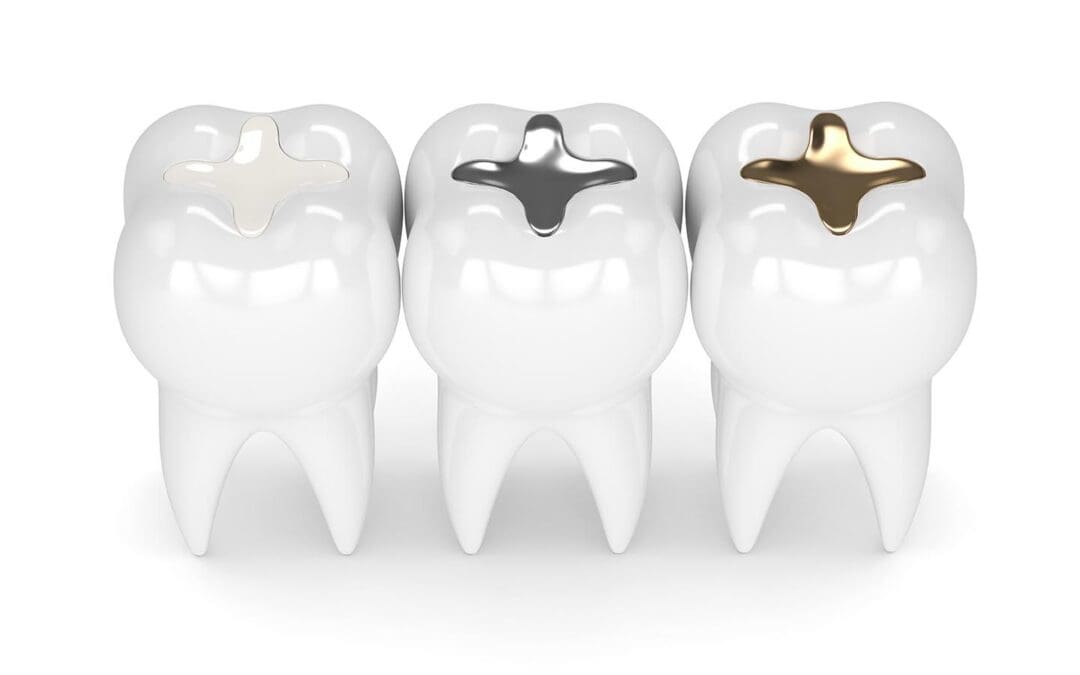
Even if you are not in pain, it is still important to have a broken filling or broken tooth evaluated by a dentist. A tooth can be damaged, weakened, or vulnerable to further breakdown even when it feels fine. Getting professional attention early can often help protect the tooth, reduce the risk of the problem getting worse, and give you a clearer understanding of your treatment options.
At Pebblewood Dental in Naperville, we understand that dental problems like these can feel unsettling. Our team helps patients with broken fillings, chipped teeth, cracked teeth, broken crowns, and teeth that have fractured more severely. Dr. Mendiola and the Pebblewood Dental team take time to evaluate the tooth carefully, explain what may be happening, and recommend a treatment plan based on your specific situation.
My Tooth Broke, But It Does Not Hurt. Do I Still Need to See a Dentist?
Yes. Pain is important, but it is not the only sign that a tooth needs attention.
A tooth can break without immediate pain if the fracture is limited to the outer enamel, an old filling has loosened, or the nerve inside the tooth has not been irritated. However, the tooth may still have exposed dentin, recurrent decay around an old filling, a weakened cusp, or a crack that can worsen over time with normal chewing.
Patients are often surprised when a tooth that “doesn’t hurt” still needs treatment. This is one reason a dental evaluation is so helpful. With the right exam and appropriate imaging, your dentist can look beyond the surface and determine whether the tooth can be repaired with a filling, strengthened with a crown, or needs a different type of care.
You should schedule a dental visit if you notice:
- A missing or loose filling
- A sharp or rough tooth edge
- A chipped, cracked, or broken tooth
- Food getting trapped in the area
- Sensitivity to cold, sweets, or biting
- Pain when chewing
- Swelling, drainage, or a bad taste
- A crown that feels loose or has come off
Even if you are comfortable, it is usually better to have the area checked before the tooth breaks more or becomes painful.
Not sure how serious your broken filling or broken tooth is? Pebblewood Dental can help you take the next step. Call our Naperville dental office at (630) 369-6222 or use our online booking option to schedule an evaluation. Getting the tooth checked early can help you get clear answers before the problem becomes more complicated.
What to Do Right Away If a Filling or Tooth Breaks
Until you are seen by a dentist, try to protect the tooth and avoid making the break worse.
Rinse gently with warm water to clean the area. If there is swelling, a cold compress on the outside of the cheek may help. Avoid chewing on that side, especially hard, sticky, or crunchy foods. If the edge feels sharp, dental wax or temporary dental material from a pharmacy may help protect your cheek or tongue until your appointment.
If a piece of tooth breaks off, place it in milk or saliva and bring it with you. In some cases, the dentist may want to evaluate the fragment.
Do not use household glue, superglue, or non-dental adhesives on a tooth, filling, or crown. These materials are not safe for dental use and can make the tooth more difficult to treat.
When Is a Broken Tooth More Urgent?
Some broken teeth can be treated with a routine dental appointment, while others need prompt attention. The important thing is not to guess. A dentist can help determine how urgent the situation is and what steps are needed to protect your oral health.
Call a dentist as soon as possible if you have:
- Moderate or severe tooth pain
- Swelling in the gums, jaw, or face
- Pain when biting
- A tooth that is very sensitive to hot or cold
- A visible hole, dark area, or deep crack
- Bleeding that does not stop
- A broken tooth near the gumline
- A bad taste, pus, or pimple-like bump on the gums
- Fever or facial swelling
Facial swelling, fever, difficulty swallowing, difficulty breathing, or rapidly spreading swelling should be treated as a medical emergency. If you need to be seen right away, visit our Emergency Dentist Naperville page for next steps.
Why Fillings and Teeth Break
Fillings and teeth can break for many reasons. Common causes include normal wear over time, biting hard foods, clenching or grinding, recurrent decay around an old filling, trauma, or a large filling that leaves the remaining tooth structure weakened.
Back teeth are especially vulnerable because they handle heavy chewing forces. A tooth with a large old filling may eventually need more protection than another filling can provide.
This is where experienced dental care can make a meaningful difference. At Pebblewood Dental, we do not look only at the broken piece. We evaluate the tooth as a whole, including the remaining tooth structure, the bite, the size of the existing filling, and whether the tooth is likely to hold up over time.
Treatment Options for a Broken Filling or Broken Tooth
Treatment depends on the size and location of the break, the amount of healthy tooth remaining, the condition of the nerve, and whether the tooth can be restored long term.
At Pebblewood Dental, our goal is to recommend care that is appropriate, practical, and personalized. Whenever possible, we want to help patients preserve their natural teeth. When a tooth cannot be saved predictably, we help patients understand their replacement options so they can make an informed decision.
Dental Filling
If the broken area is small and enough healthy tooth remains, a new filling may be the most conservative option. This may be appropriate when a small filling chips, a cavity is limited, or the tooth structure is otherwise strong.
A filling can restore the shape of the tooth, smooth rough edges, and help protect the area from further decay or sensitivity.
Dental Crown
A crown may be recommended when a tooth has lost a larger amount of structure or has a cracked or weakened cusp. A crown covers and protects the tooth, helping restore shape, strength, and function.
Crowns are often considered when a tooth has a large filling, a fracture involving a chewing cusp, or a break that makes the tooth more likely to fracture again. For many patients, a crown can help strengthen a tooth that might otherwise continue to break down.
Root Canal and Crown
If the crack or decay reaches the nerve of the tooth, or if there are signs of infection, root canal treatment may be needed before restoring the tooth with a crown. Symptoms may include lingering temperature sensitivity, spontaneous pain, pain when biting, swelling, or a pimple-like bump on the gums.
A careful evaluation helps determine whether the nerve is involved and whether the tooth can still be restored.
Tooth Removal / Extraction
Sometimes a tooth is too badly broken to repair predictably. This may happen when the fracture extends below the gumline, the tooth is split, there is not enough healthy tooth structure left, or the tooth has advanced infection or bone loss.
In these cases, tooth removal may be the most appropriate option. While this can be disappointing news, the Pebblewood Dental team will walk you through the process, answer your questions, and discuss ways to restore comfort, function, and appearance.
Dental Implant
If a broken tooth cannot be saved and needs to be removed, a dental implant may be one replacement option. A dental implant is designed to replace the missing tooth root and support a crown after healing and proper planning.
Not every patient is an implant candidate right away. Bone health, medical history, bite forces, gum health, and the location of the missing tooth all matter. A dental examination and appropriate imaging help determine whether an implant may be a good option.
For patients who need to replace a badly broken tooth, having implant dentistry available at Pebblewood Dental can make the process feel more convenient and coordinated. Our team can help explain the steps, timing, and options so you understand what to expect.
What If an Old Filling Keeps Breaking?
If the same tooth or filling breaks repeatedly, that may be a sign that the tooth needs a different type of restoration. A large filling can weaken over time, especially if the surrounding tooth structure is thin or cracked.
Replacing a broken filling with a larger filling is not always the best long-term solution. In some cases, a crown may provide better protection. In other cases, if the tooth is too compromised, extraction and replacement options may need to be discussed.
This is one of the benefits of seeking experienced dental attention. Rather than simply patching the same area again and again, Dr. Mendiola can evaluate why the tooth keeps breaking and recommend a plan designed to better support your long-term oral health.
Can I Wait If It Does Not Hurt?
It is understandable to wonder whether you can wait if the tooth is not painful. Many patients delay care because they are busy, nervous, or hopeful that the problem is minor.
However, waiting too long can allow the tooth to break further, decay to progress, or sensitivity to develop. A small repair may become more involved if the tooth continues to weaken.
A dental visit does not always mean you need major treatment. Sometimes the solution is simple. But the sooner the tooth is evaluated, the more options you may have.
How Pebblewood Dental Can Help
At Pebblewood Dental in Naperville, we help patients feel informed, supported, and comfortable when dealing with a broken filling or broken tooth. Dr. Mendiola and the team carefully evaluate the tooth, listen to your concerns, and explain your options in a way that is easy to understand.
Depending on the situation, treatment may include a filling, crown, root canal referral or treatment planning, tooth removal, or discussion of replacement options such as a dental implant.
Patients benefit from professional attention because it helps identify the real cause of the problem, determine whether the tooth can be saved, prevent further damage when possible, and create a plan that fits the patient’s needs. Instead of guessing or waiting for pain to develop, you can get clear answers and appropriate care.
Our goal is to help relieve discomfort, protect your tooth when it can be saved, and guide you toward the best next step with compassion and expertise.
Call Pebblewood Dental for a Broken Filling or Broken Tooth in Naperville
If you have a broken filling, chipped tooth, cracked tooth, or broken tooth, call Pebblewood Dental at (630) 369-6222 or use our online booking option to schedule an evaluation. Even if the tooth does not hurt, having it checked early can help prevent further damage and give you more treatment options. If you’re experiencing pain right now, our Emergency Dentist Naperville page has guidance on what to do next.
Dr. Mendiola and the Pebblewood Dental team can evaluate the tooth, explain what is happening, and help you understand whether a filling, crown, extraction, or dental implant may be appropriate.
Pebblewood Dental serves patients in Naperville and nearby communities, including Warrenville, Aurora, Lisle, Woodridge, and the Route 59 corridor.
Dr. Mendiola and the Pebblewood Dental team provide general, family, restorative, cosmetic, emergency, and implant dentistry in Naperville, IL. This article is for educational purposes and should not replace a dental examination or personalized treatment recommendation.
Frequently Asked Questions
Is a broken filling a dental emergency?
A broken filling is not always a major emergency, but it should be evaluated by a dentist. If you have pain, swelling, sharp edges, food trapping, or sensitivity, call promptly.
What should I do if my tooth broke but does not hurt?
Avoid chewing on that side and schedule a dental visit. A broken tooth can still have cracks, decay, or weakened structure even if there is no pain. Seeing a dentist early can help prevent the problem from becoming more complicated.
Can a broken tooth be fixed with a filling?
Sometimes. Small chips or minor breaks may be repaired with a filling. Larger fractures, cracked cusps, or teeth with large old fillings may need a crown.
When does a broken tooth need a crown?
A crown may be recommended when the tooth has lost significant structure, has a weakened cusp, or needs more protection than a filling can provide.
When does a broken tooth need to be removed?
A tooth may need removal if it is split, broken below the gumline, severely decayed, infected, or does not have enough healthy structure to restore predictably.
Can I get an implant after a broken tooth is removed?
In many cases, a dental implant may be an option after a tooth is removed. A dentist will evaluate your bone, bite, gum health, medical history, and overall treatment goals before recommending an implant.
Dental Emergency in Naperville? Call Pebblewood Dental
If you have tooth pain, swelling, a broken tooth, a knocked-out tooth, or another urgent dental concern, Pebblewood Dental is here to help you understand your options and take the next step.
Call Pebblewood Dental in Naperville at 630-369-6222 to speak with our team or schedule an appointment. Book your emergency appointment today.
If you are experiencing trouble breathing, trouble swallowing, uncontrolled bleeding, severe facial trauma, or a life-threatening medical emergency, call 911 or seek urgent medical care right away.